6 min read
When the speaker wakes up on its own
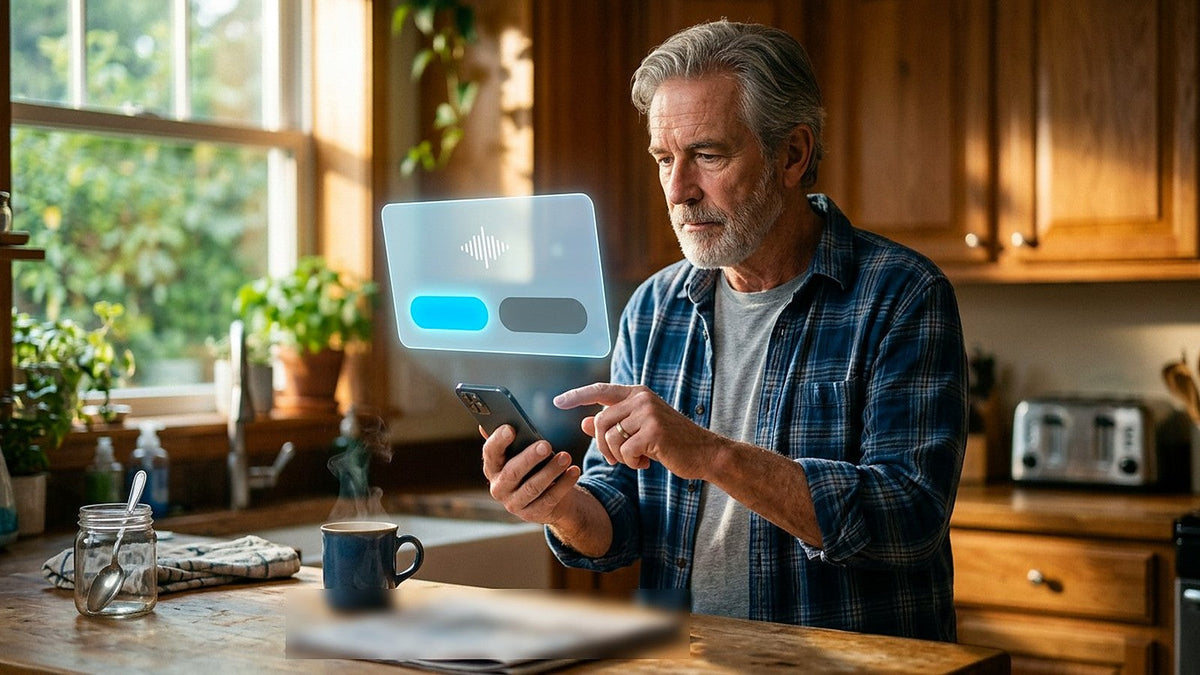
Many kitchens and living rooms have a small speaker that waits for someone to say "Hey Google." Most of the time it sits quietly. Every so often, it lights up when nobody called it, maybe because a word on the TV sounded close enough.
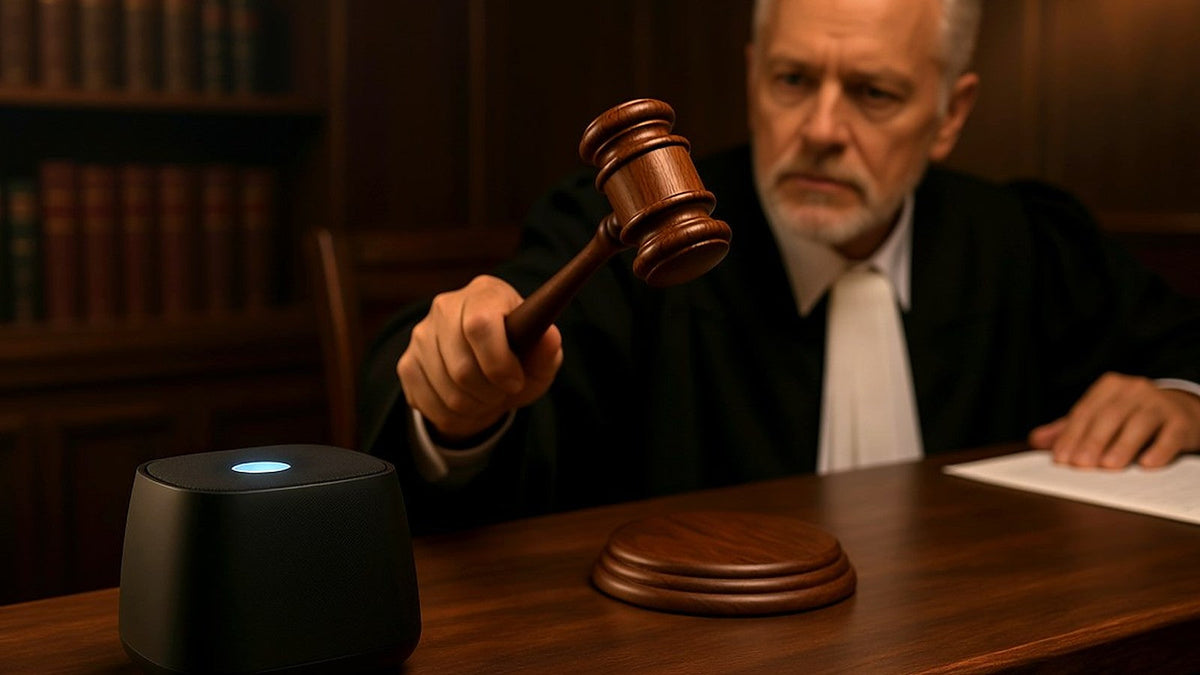
Those moments are at the heart of a lawsuit that ran for seven years. In October 2026, a federal judge in California approved a $68 million settlement over claims that Google Assistant recorded people during these mistaken wake-ups. Google denied wrongdoing.
What happened
The first complaint was filed in July 2019 by a group of Google Assistant users, including a parent and her minor child. Other suits followed, and they were combined into one case in federal court in San Jose, before US District Judge Beth Labson Freeman.
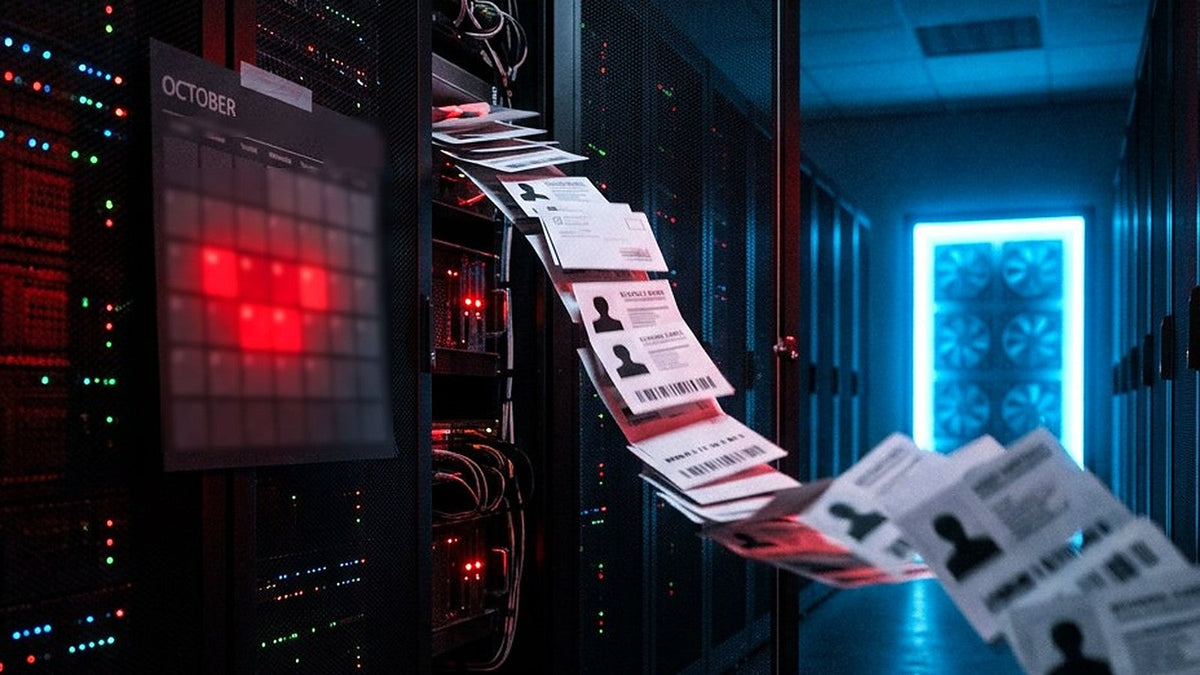
The users claimed that Google Assistant switched on without anyone saying "Hey Google" or pressing a button, recorded what it heard, and shared some of those recordings with outside contractors. In the case, those mistaken wake-ups are called "false accepts." According to Reuters, the users also claimed the recordings were used to send them targeted ads.
The case moved slowly. In 2022 the users asked to proceed as three groups, and the judge allowed only one, people who bought Google devices, to go forward as a class. In February 2025, Google asked the court to rule in its favor without a trial, which had been scheduled for that September.
In January 2026, the two sides filed a proposed $68 million settlement. Google denied wrongdoing and, according to court papers cited by Reuters, agreed to settle so it would not face the expense and unpredictability of further litigation.
The settlement covers two groups going back to May 18, 2016. The first is people who bought a Google-made device. The second is Assistant users, and members of their households, whose conversations were recorded because of a false accept or passed to an outside review company. Notice went out to more than 173 million email addresses. By Sep 17, 2026, more than 1.49 million people had filed claims on time, with more than 40,000 late claims on top of that. Only 217 people asked to be left out.
The judge held a hearing on Oct 1. On Oct 13 she gave final approval and rejected every objection. She approved one-third of the fund, about $22.7 million, for the plaintiffs' lawyers, plus about $1 million in expenses. She did lower the hourly rates claimed for some of the lawyers, and she halved the extra payments to the four people who led the case, from $10,000 each to $5,000. Estimates in the case put individual payments at roughly $18 to $56 for device buyers and $2 to $10 for members of the privacy group. Google disputes the plaintiffs' estimate of the damages. Bloomberg Law reported on Oct 21 that the judge had entered final judgment approving the settlement.
Google is not the only company to face this kind of claim. Reuters noted that Apple agreed in December 2024 to pay $95 million to settle similar claims about Siri.
How this kind of thing happens
A wake word is the phrase that tells a voice assistant to start paying attention. To catch it, the device has to keep listening in a low-power standby mode. Google says its devices check short snippets of sound, a few seconds long, right on the device, and only send your request to Google's servers once they think they heard the wake phrase. If no wake phrase is detected, Google says those snippets are not sent or saved.
The weak point is the guess. The device is matching sounds, and sounds can be close. Google itself says a noise that sounds like "Hey Google," or an accidental press of the device, can set it off. When that happens, the assistant wakes up and whatever is said next can travel to the company's servers, as if you had asked a question.
Google's own help pages acknowledge that activations can happen by mistake. They also say that, by default, Google does not keep your audio recordings on its servers, though you can choose to save them in your Google Account, and that Google employees and trusted third parties can access conversation history under its privacy policy. The settlement covers a period going back to 2016, and the users' claims were about what happened to recordings during those years.
Why it matters at home
The kitchen is where families talk about money, health, school trouble and plans. A speaker in that room hears all of it, even if it only reacts to a few words. Any wake word can misfire. The real question is where that audio goes next.
If the audio stays inside the device, a mistake is just a light that blinks for a second. If it travels to a company's server, that company's policy decides what happens to it: whether it is stored, how long it is kept, and who else might listen. A settlement payment of a few dollars per person does not change that basic arrangement.
It is also worth remembering who was covered. The privacy group included household members, not only the account owner. A guest, a child or a spouse can be recorded by a device they never set up.

What you can do
- Tell it when it was a mistake. Google says that if Assistant wakes up by accident and Web & App Activity is on, you can say "Hey Google, that wasn't for you" and it will delete that interaction.
- Review and delete your history. Google says you can see your Assistant activity at myactivity.google.com and delete it at any time. You can also ask the assistant out loud to delete today's activity.
- Turn on auto-delete. Google lets you set your activity to delete itself automatically after a set number of months, from the same My Activity page.
- Check whether audio is being saved. Google says audio recordings are not kept by default, but you can opt in. Look in your Google Account settings to make sure the choice matches what you want.
- Lower the sensitivity. Google says you can adjust how easily Assistant activates in the Google Home app. A less sensitive setting makes it respond less readily.
- Mute it for private talks. Google says many of its speakers have a microphone switch, and displays have a mute button; when the mic is off, the assistant cannot hear or respond. Use it during conversations you would not want recorded.
The question to ask
Before I say "Hey ___" in my kitchen: whose computer hears me?
How HOLLIS H-Ai handles it
HOLLIS H-Ai runs on your own computer. No cloud. No data collection.
Sources
- Bloomberg Law, Oct 21, 2026
- PPC Land, Oct 2026
- Reuters via Business Insurance, Jan 26, 2026
- Google Nest Help, Data security and privacy on devices that work with Assistant
- Google Assistant Help, Assistant activity
- Google Nest Help, Control Google smart devices by touch
This article is based on the published reports listed above, written in our own words. Details are as reported on the dates shown. Spotted an error? Email support@krudodesigns.net and we will correct it.